
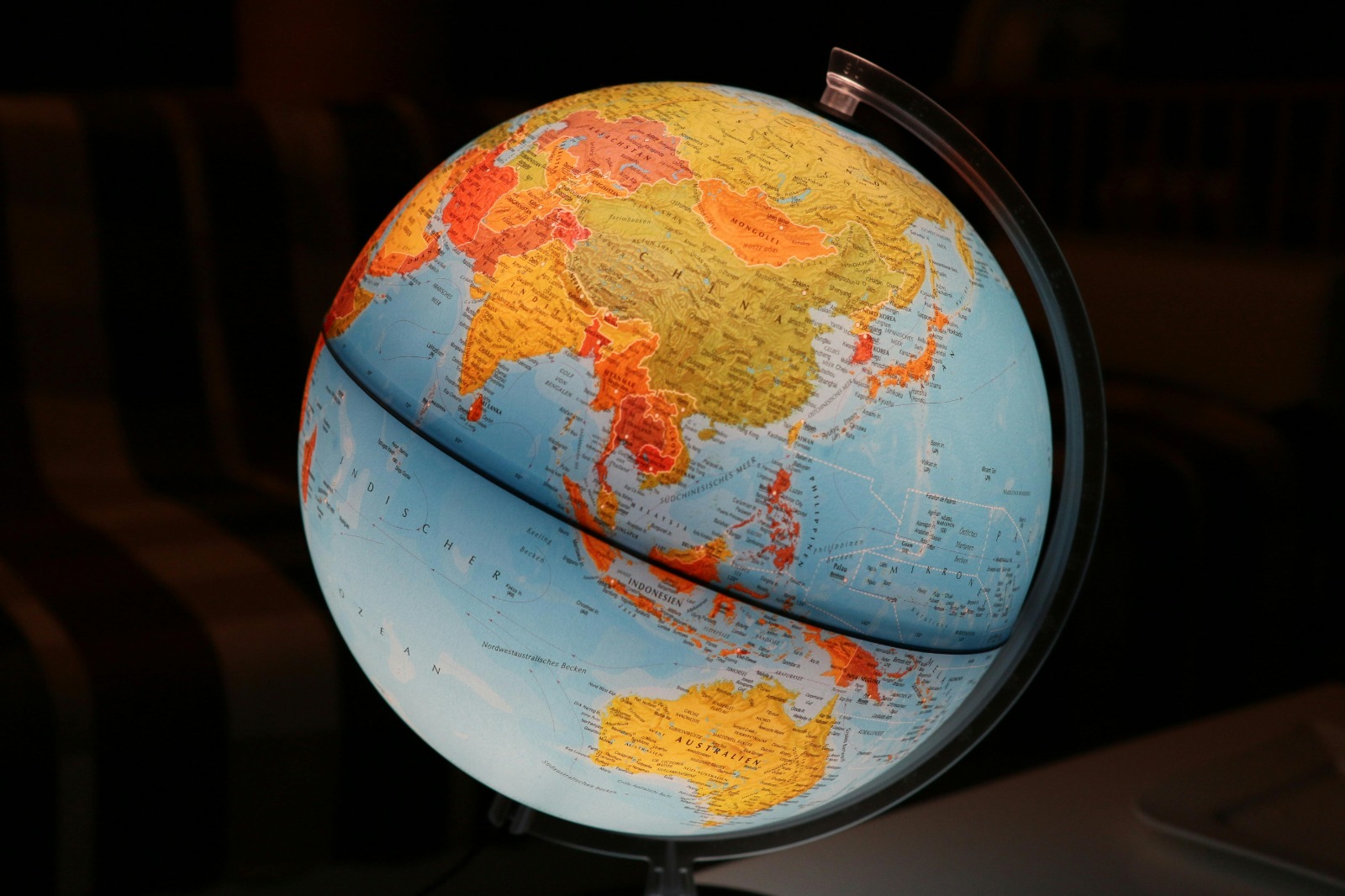
Global trade is entering a historic expansion cycle. According to UNCTAD’s latest Global Trade Update, global trade is projected to surpass USD35 trillion in 2025 for the first time, adding nearly USD 2.2 trillion in new value, or about 7% growth compared to 2024. The strongestdrivers of this surge are East Asia, Africa, and South–South trade, all of which continue to outpacetraditional Western corridors.
Trade in goods is expected to contribute roughly USD 1.5 trillion to this growth, while services, the fastest-risingsegment are set to expand by USD 750 billion, nearly 9% year-on-year. This marks a decisive reversal from the stagnation of2023–2024, with 2025 trade growth consistently outpacing global GDP.
Yet, even as volumesrise, globalimbalances remain pronounced. Friendshoring and nearshoring trends are reshapinglong-established trade routes, pushing businesses to diversify supply chainstoward politicallyaligned or geographically closer partners. Countries such as Mexico, India, Vietnam, and severalEastern European economies are emerging as new exportpowerhouses, while established hubs like the Netherlands, Hong Kong, Singapore, and the UAE continue to anchor global trade flows.
At the center of the global system remain the three export giants China, the United States, and Germany, each ranking in the top three for both exports and imports. Collectively, the top 10 exporters account for more than55% of global exports, influencing everything from freight routes to global FX liquidity.
· China leads with ~USD 3.8 trillion in exports.
· The United States exceeds USD 3.2 trillion, led by services, aerospace, and technology.
· Germany, Japan, South Korea, and the Netherlands form the industrial backbone of global manufacturing.
Looking ahead, the next five years will redefine how exporters compete and settle payments:
· Nearshoring acceleration across Mexico, Vietnam, and Eastern Europe
· Explosion in digital and services exports (SaaS, fintech, engineering, IT)
· Rapid expansion of clean energy supply chains (EVs, batteries, solar equipment)
· Higher FX volatility, increasing the importance of reliable multi-currency payment networks
Understanding the export strengths of leading nations — and the key currencies they trade in isessential for anyone involved in global business, trade finance, or cross-border payments.
Below is a detailed overview of the Top10 Exporter Countries, the industries they dominate, and the currencies that shape theirglobal settlement flows.
Exports: ~USD 3.8 trillion
Industries: Electronics, machinery, textiles, EV components, chemicals
Major Partners: US, EU, ASEAN, Middle East
Key Currencies China Trades In: USD • CNY
Why It Matters: China remains the dominant global exporter, and USD is still the preferred settlement currency for its international trade. As China pushes CNY internationalization, dual-currency flows (USD + CNY) will increase, requiring more flexible payment networks.
Prediction:
China’s export mix will shift toward high-tech, batteries, robotics, and EV supply chains, increasing multi-currency settlement complexity.
Exports: ~USD 3.2 trillion
Industries: Aerospace, software, pharmaceuticals, energy, financial services
Major Partners: Canada, Mexico, EU, China, India
Key Currencies the US Trades In: USD
Why It Matters: The US isthe world’s largest services exporter — SaaS, consulting, fintech, and IPrights drive billions in cross-border B2B payments monthly.
Prediction:
The US will solidify dominance in digital services, making instant multi-currency support essential for global clients.
Exports: ~USD 1.9–2.0 trillion
Industries: Automobiles, machinery, chemicals, engineering
Major Partners: France, US, China, Netherlands
Key Currencies Germany Trades In: EUR • USD • GBP
Why It Matters: Germany’sexport precision requires high-reliability payments for suppliers, engineeringprojects, and industrial clients.
Prediction: Germany will lead Europe’s shift to battery tech, EVs, and green hydrogen equipment.
Exports: ~USD 800–900 billion
Industries: Automobiles, electronics, robotics, semiconductors
Major Partners: US, China, South Korea, ASEAN
Key Currencies Japan Trades In: JPY • USD
Prediction: Japan will dominate robotics, semiconductors, and EV battery materials, driving demand for real-time multinational settlements.
Exports: ~USD 800–900 billion (a major re-export hub)
Industries: Machinery, chemicals, food, logistics
Major Partners: Germany, Belgium, UK, US
Key Currencies NetherlandsTrades In: EUR • USD • GBP
Prediction:
As Europe’s shipping and logistics hub, Netherlands will see higher EUR-to-Asia payment corridors, especially via Rotterdam.
Exports: ~USD 700–800 billion
Industries: Chips, batteries, electronics, shipbuilding
Major Partners: China, US, Vietnam, India
Key Currencies South Korea Trades In: KRW • USD
Prediction:
South Korea’s leadership in EV batteries and semiconductor components will grow exports by 20–30% in five years.
Exports: ~USD 680–700 billion
Industries: Aerospace, luxury goods, pharmaceuticals, wine
Major Partners: EU, US, China
Key Currencies France TradesIn: EUR • USD • GBP
Prediction:
France will lead in aerospace exports, especially as air travel demand rebounds globally.
Exports: ~USD 600–650 billion
Industries: Machinery, vehicles, textiles, fashion
Major Partners: Germany, France, US, Switzerland
Key Currencies Italy Trades In: EUR • USD • GBP
Prediction:
Italy’s export growth will be driven by industrial machinery and luxury manufacturing.
Exports: ~USD 500–600 billion
Industries: Financial services, consulting, pharmaceuticals, technology
Major Partners: US, EU, Switzerland, India
Key Currencies UK Trades In: GBP • USD • EUR
Prediction:
UK remains the world’s second-largest services exporter, with strong digital/SaaS flows increasing settlement demands.
Exports: ~USD 500+ billion
Industries: Electronics re-exports, gold, financial flows
Major Partners: China, US, ASEAN
Key Currencies Hong Kong Trades In: HKD • USD • CNY
Prediction:
Hong Kong will continue to be Asia’s FX and liquidity gateway, especially for US–China trade.
What the Next 5 Years Will Look Like (Predictions)
Why This Matters for Global Business Payments
Every exporter on this list depends not just on shipping containers and contracts but on reliable, multi-currency, cross-border business payments to keep trade moving. As export velocity increases and digital trade accelerates, settlement speed, FX transparency, and liquidity access are becoming as critical as logistics itself.
This is where RemittancesHub’s B2B payment network becomes relevant enabling cross-border business payments across major global export currencies with a focus on settlement reliability, currency control, and enterprise-grade trust — the exact infrastructure modern exporters need to scale in a fragmented global economy.

%20(1).jpg)
